Inquiry
Form loading...
In the highly competitive global cosmetic and dermatological market, the quest for safe, effective, and multi-functional skin-brightening agents is continuous. Among the myriad of compounds evaluated by cosmetic chemists and dermatologists, Pure Azelaic Acid has emerged as a gold standard. Historically utilized for its remarkable anti-acne and anti-rosacea properties, modern clinical research and formulation advancements have pivoted toward its potent efficacy in treating hyperpigmentation, melasma, and overall skin dullness.
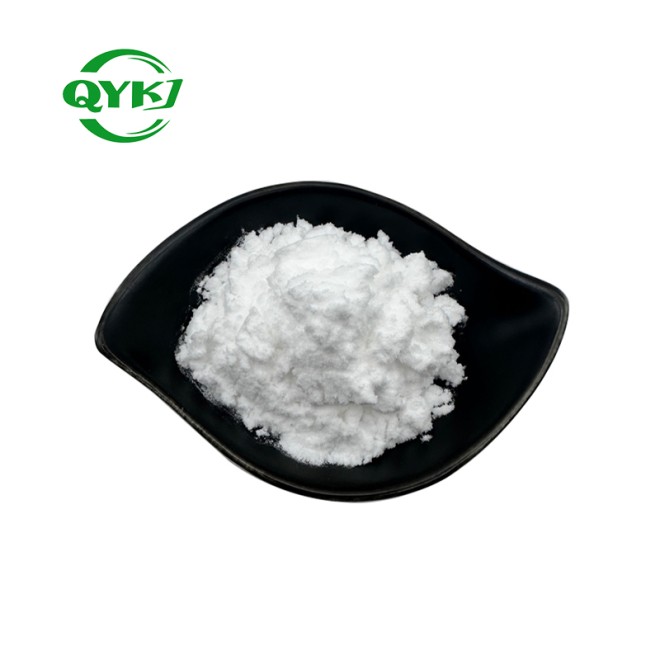
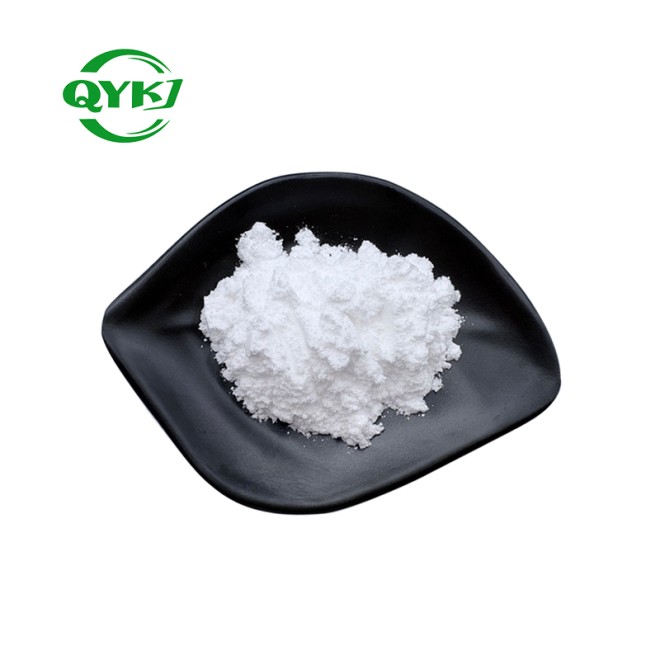
Azelaic acid is a naturally occurring saturated dicarboxylic acid (specifically, nonanedioic acid) found in grains such as barley, wheat, and rye. In its commercialized, high-purity cosmetic grade, it is synthesized to meet rigorous purity standards, yielding a white, crystalline powder. The molecular mechanism of Pure Azelaic Acid for brightening lies in its selective action. Unlike aggressive bleaching agents, it acts specifically on hyperactive and abnormal melanocytes (the cells responsible for producing melanin, the pigment that gives skin its color) while leaving normal, healthy skin cells untouched. This makes it an incredibly safe profile for long-term use across diverse skin types, including dark skin tones susceptible to post-inflammatory hyperpigmentation (PIH).
Dermatological Insight: Pure Azelaic Acid is a competitive inhibitor of tyrosinase, the rate-limiting enzyme in melanogenesis. By binding to the active site of tyrosinase, it prevents the oxidation of tyrosine to DOPA, thereby stopping the cascade of melanin production at its root.
The commercial manufacturing of cosmetic-grade Pure Azelaic Acid demands strict chemical engineering control. Industrially, azelaic acid is produced via the ozonolysis of oleic acid, a process that breaks down unsaturated fatty acids derived from vegetable oils. This reaction must be carefully managed to yield a raw material with a purity profile exceeding 99%. Impurities in lower-grade azelaic acid can lead to formulation instability, unexpected recrystallization in emulsions, and skin irritation.
For B2B buyers and cosmetic manufacturers, sourcing micronized Pure Azelaic Acid is critical. Due to its crystalline structure, azelaic acid has historically suffered from poor solubility in standard cosmetic solvents. Micronization reduces the particle size to less than 10 microns, which significantly improves its dispersion in emulsions, enhances skin penetration, and prevents the "gritty" texture often associated with poorly formulated azelaic acid products. High-performance liquid chromatography (HPLC) is employed by top-tier suppliers like Shaanxi Qiyuan Kangjian Biotechnology to verify the absence of heavy metals, residual solvents, and related organic impurities, ensuring regulatory compliance across global markets including the EU, FDA, and NMPA.
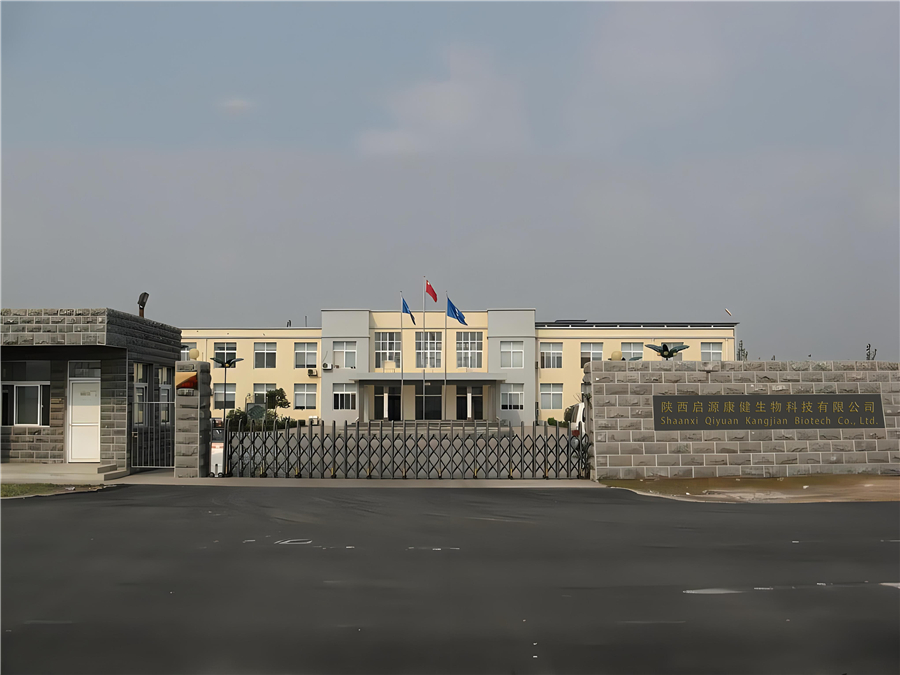
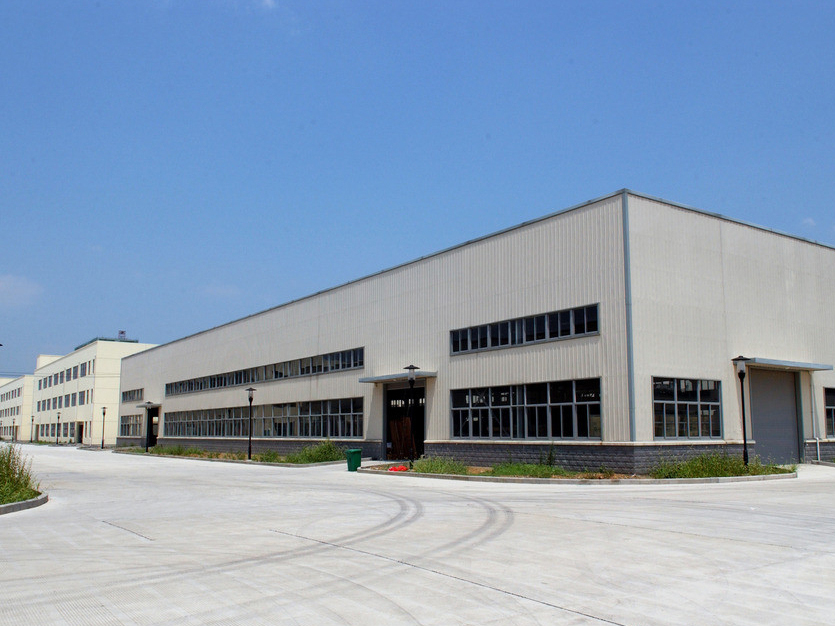
Shaanxi Qiyuan Kangjian Biotechnology Co., Ltd. is located in Xi'an, Shaanxi Province, China, and specializes in supplying peptides, food additives, nutritional supplements, traditional Chinese medicine (TCM) extracts, plant extracts, and natural active ingredients.
The global market for skin brightening and hyperpigmentation treatments is projected to reach USD 11.8 billion by 2030, driven by an aging population, rising awareness of UV-induced damage, and the consumer shift away from hydroquinone due to safety concerns. Hydroquinone, long considered the standard for skin bleaching, faces severe regulatory bans and restrictions worldwide due to risks of ochronosis and potential carcinogenicity. This regulatory void has accelerated the adoption of Pure Azelaic Acid as a safe, non-toxic, and dermatologically approved alternative.
Furthermore, the rise of "clinical skincare" brands has educated consumers on the benefits of single-active and focused-active serums. Pure Azelaic Acid fits perfectly into this clean-clinical beauty trend. Market data indicates a significant surge in product launches featuring azelaic acid at concentrations between 5% and 10% for over-the-counter (OTC) cosmetics, and up to 15% to 20% for prescription-strength dermatological treatments. The demand is not limited to facial care; there is a growing segment of body care formulations targetting hyperpigmentation on knees, elbows, and underarms, where azelaic acid's anti-inflammatory properties provide dual benefits.
Formulating with Pure Azelaic Acid presents unique challenges that require advanced chemical solutions. The primary barrier is its high melting point (approx. 106°C) and limited solubility in water and lipophilic oils. If not properly formulated, the acid will recrystallize out of the emulsion, leading to a gritty product that lacks efficacy and causes skin irritation.
To overcome solubility hurdles, ingredient innovators utilize liposomal or polymeric microencapsulation. Encapsulating Pure Azelaic Acid in lipid bilayers (liposomes) mimics the structure of the stratum corneum, allowing the active ingredient to penetrate deeper into the epidermis where hyperactive melanocytes reside. This controlled release mechanism also minimizes surface irritation, making high concentrations tolerable for sensitive skin.
The ionization of azelaic acid is highly dependent on pH. At a pH above its pKa (approximately 4.3), the acid ionizes, which increases its water solubility but reduces its lipid solubility and ability to penetrate the skin barrier. Formulations must target a precise pH range of 4.0 to 4.9. Utilizing buffer systems such as sodium citrate/citric acid ensures the formula remains stable and active over its shelf life.
Modern cosmetic science rarely relies on a single active ingredient. Combining Pure Azelaic Acid with other brightening compounds creates a synergistic effect that targets multiple stages of melanogenesis:

Our team members are familiar with the trade policies and compliance requirements of various countries, always prioritizing customer needs, strictly controlling quality, and responding efficiently. From order negotiation to after-sales follow-up, dedicated personnel handle the entire process, using professionalism and integrity to build bridges for cross-border cooperation and help partners explore global business opportunities!
The versatility of Pure Azelaic Acid allows it to be formulated across a wide spectrum of personal care and clinical products. Understanding these specific application scenarios helps brands position their products effectively in the market.
Melasma is a complex, chronic skin condition characterized by symmetrical brown patches on the face, often triggered by hormonal changes and UV exposure. Clinical trials have demonstrated that a 20% concentration of pure azelaic acid is comparable in efficacy to 4% hydroquinone but without the risk of long-term side effects like ochronosis. In clinical formulations, it is often paired with mild chemical exfoliants like salicylic acid to speed up epidermal cell turnover, allowing the pigmented cells to shed faster.
Acne breakouts often leave behind red, purple, or brown marks (PIH), especially in Fitzpatrick skin types IV-VI. Azelaic acid is uniquely suited for this scenario because it addresses both the cause and the consequence. Its antibacterial properties target *Cutibacterium acnes*, while its anti-inflammatory action reduces the cytokine cascade that causes redness. Concurrently, it inhibits the hyperactive melanocytes triggered by the inflammatory response, preventing and fading acne scars simultaneously.
Rosacea is characterized by persistent redness, visible blood vessels, and papules or pustules. The anti-inflammatory mechanism of Pure Azelaic Acid involves the reduction of reactive oxygen species (ROS) and the inhibition of cathelicidin (an antimicrobial peptide that triggers inflammatory pathways in rosacea patients). By calming this chronic inflammation, the skin's overall tone becomes more uniform, reducing the blotchy, red appearance.
An emerging application for high-purity azelaic acid is in scalp serums. It acts as a 5-alpha-reductase inhibitor, the enzyme responsible for converting testosterone into dihydrotestosterone (DHT), which causes androgenetic alopecia. By keeping the hair follicles healthy and reducing scalp micro-inflammation, it promotes a healthy environment for hair growth, often formulated alongside peptides like Biotinoyl Tripeptide-1.
The company has two major production bases in Weinan and Xianyang. Weinan Shenhekang Bioengineering Co., Ltd., established in 2022, boasts a 6,000-square-meter GMP-compliant production workshop.
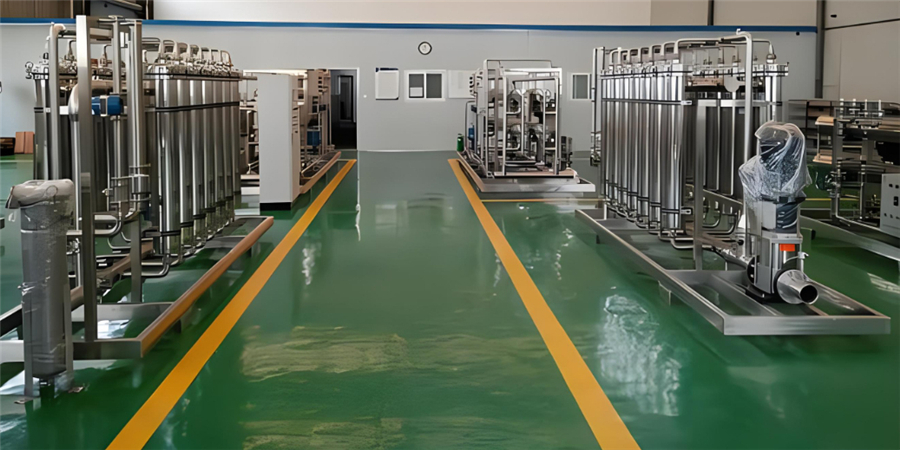
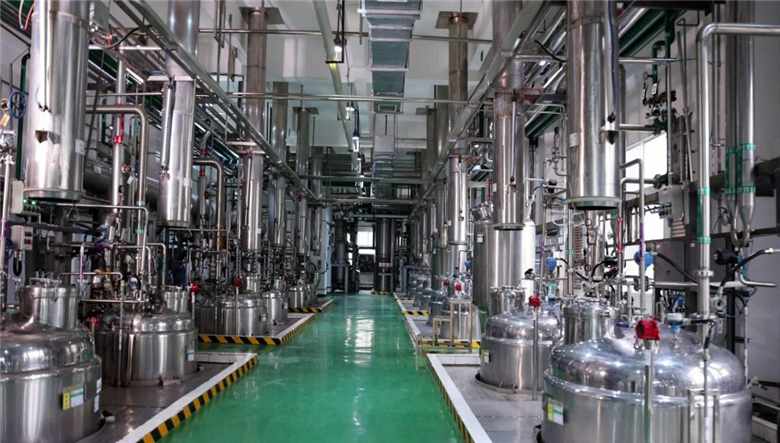
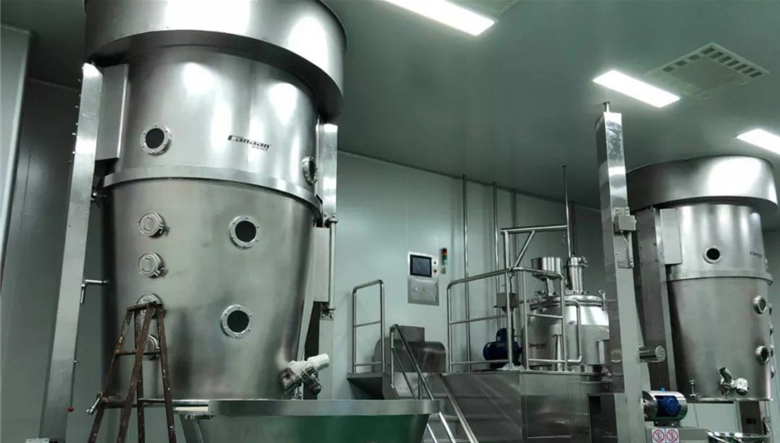
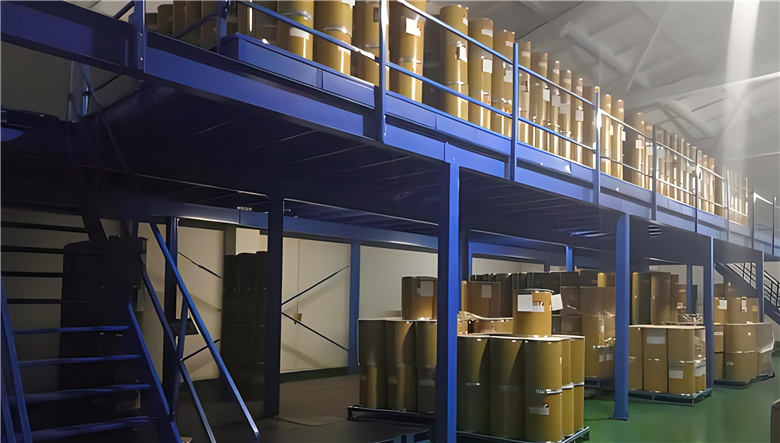
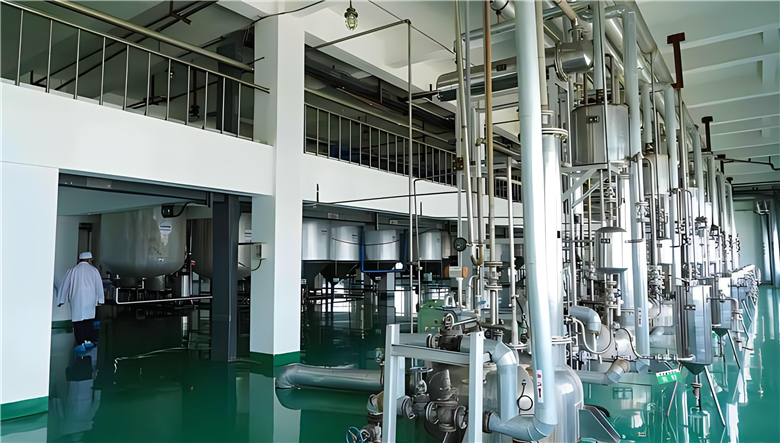
Adhering to the corporate philosophy of "rooted in our initial vision, empowered by biotechnology; upholding integrity and taking steady action to benefit the people" and the belief that "quality is our lifeline," the company leverages its group operating model and global distribution network to serve clients in the pharmaceutical, health product, and cosmetics industries.

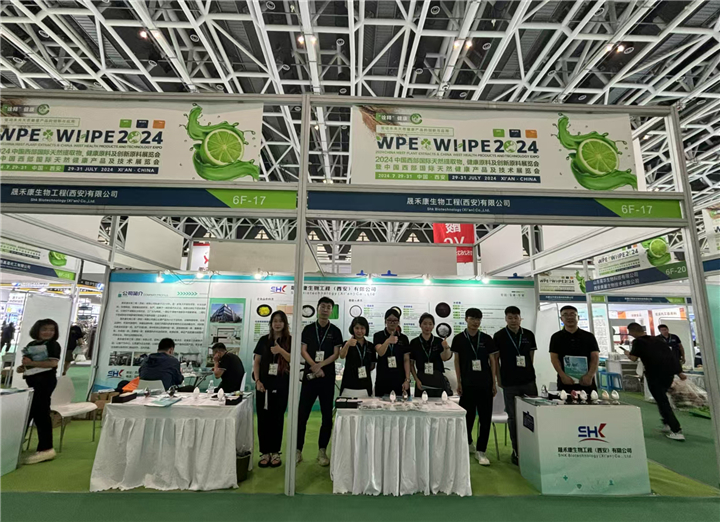
Its products have gained global recognition and are exported to over 36 countries in Asia, the Middle East, Europe, North America, Latin America, and Africa. With independent import and export licenses, the company has established strong partnerships with international express companies and air and sea freight forwarders to provide timely and professional services. The company also offers a comprehensive sales and service system, including OEM customization services and tailored solutions for clients with new product ideas but lacking laboratory equipment and human resources.

When sourcing Pure Azelaic Acid for brightening, understanding the regulatory landscape of destination markets is vital for compliance and successful product commercialization. Azelaic acid is widely recognized as a highly safe cosmetic ingredient, but permitted concentrations and product classification differ significantly by region:
Azelaic acid is non-teratogenic, meaning it is safe for use during pregnancy and lactation, unlike retinoids (retinol, tretinoin) and hydroquinone which are strictly prohibited or discouraged for pregnant women. This unique safety profile makes Pure Azelaic Acid a highly sought-after active ingredient for targeting pregnancy-induced melasma (chloasma), opening up a highly profitable niche market for maternity-safe brightening skincare lines.
For research and development departments and procurement officers, the following specification sheet outlines the standard for high-purity cosmetic-grade azelaic acid:
| Analysis Parameter | Specification Standard | Test Method |
|---|---|---|
| Appearance | White to off-white crystalline powder | Visual inspection |
| Purity (Assay) | ≥ 99.0% | HPLC (High-Performance Liquid Chromatography) |
| Melting Point | 105.0°C - 107.5°C | Capillary method |
| Heavy Metals | ≤ 10 ppm | AAS (Atomic Absorption Spectroscopy) |
| Loss on Drying | ≤ 0.5% | Oven drying at 105°C |